


How to Prevent Rosacea Flare-Ups in Winter
Winter is the season when rosacea often becomes impossible to ignore. Skin that felt relatively stable through spring and summer can suddenly flush, sting or feel persistently warm as temperatures drop. A short walk outdoors followed by stepping into a heated room may trigger instant redness, while products that usually feel soothing can begin to irritate the skin.
It’s worth clarifying - winter does not cause rosacea. But it does expose its underlying vulnerabilities. Understanding why rosacea worsens in colder months allows for a far more strategic approach to skincare, helping to keep the skin calm, resilient and predictable throughout the season.
At MZ SKIN, rosacea is approached as a condition involving the skin barrier, blood vessels, immune response and sensory nerves. Founded by oculoplastic surgeon and facial aesthetics doctor, Dr Maryam Zamani, our formulations are developed to support each of these systems, particularly during winter, when environmental stressors place reactive skin under increased strain.
Why does rosacea worsen in winter?
Rosacea is a chronic inflammatory condition characterised by heightened vascular reactivity, impaired barrier function, immune dysregulation and increased neurosensory sensitivity. These processes are present year-round, but winter intensifies them simultaneously.
Cold air causes facial blood vessels to constrict. When you move into a warm indoor environment, those same vessels rapidly dilate. In rosacea-prone skin, this response is exaggerated, leading to flushing, heat and visible redness. Temperature-sensitive nerve receptors overreact to these rapid changes, explaining why flushing can occur within seconds.
Winter air also contains less moisture, increasing transepidermal water loss. As the skin barrier weakens, irritation thresholds drop and inflammatory pathways become more active. A compromised barrier leaves nerve endings more exposed, contributing to the burning and stinging sensations many experience during winter flare-ups.
These mechanisms rarely act alone. Cold, wind, indoor heating, low humidity and ongoing UVA exposure combine to overwhelm skin that already has a reduced margin for error.
Sensitive skin vs rosacea? Why winter helps us to know the difference
Many people describe their skin as “sensitive,” but rosacea is a defined inflammatory condition with specific patterns. Winter often makes this distinction clearer.
Environmental irritation tends to settle quickly once the barrier is restored. Rosacea behaves differently. Redness becomes more persistent, flushing more frequent, and the central face may feel warm even without obvious triggers. Some experience visible thread veins, while others develop inflammatory bumps that do not behave like acne.
Rosacea presents in subtypes, including redness-dominant forms and inflammatory variants, but winter amplifies the visible features of all of them. If redness or flushing persists for weeks or worsens disproportionately in winter, professional assessment is essential to ensure the correct management approach.
Why skincare that worked in summer might sting in winter
A common frustration is that products tolerated in warmer months suddenly feel uncomfortable. This is rarely due to new sensitivities - it reflects changes in the skin barrier.
Cold, dry air and indoor heating reduce lipid integrity within the epidermis. When this barrier is compromised, ingredients penetrate more deeply and can feel irritating. Exfoliating acids, strong retinoids, fragrance components and even botanical extracts may suddenly overwhelm the skin.
In winter, rosacea-prone skin benefits most from simplification, not escalation. Gentle, non-foaming cleansers, barrier-supporting moisturisers and predictable routines are better tolerated than complex active layering. The goal is to stabilise the skin rather than push for rapid change.
Winter skincare priorities for rosacea-prone skin
An effective winter routine for rosacea focuses on three core principles:
-
Barrier reinforcement
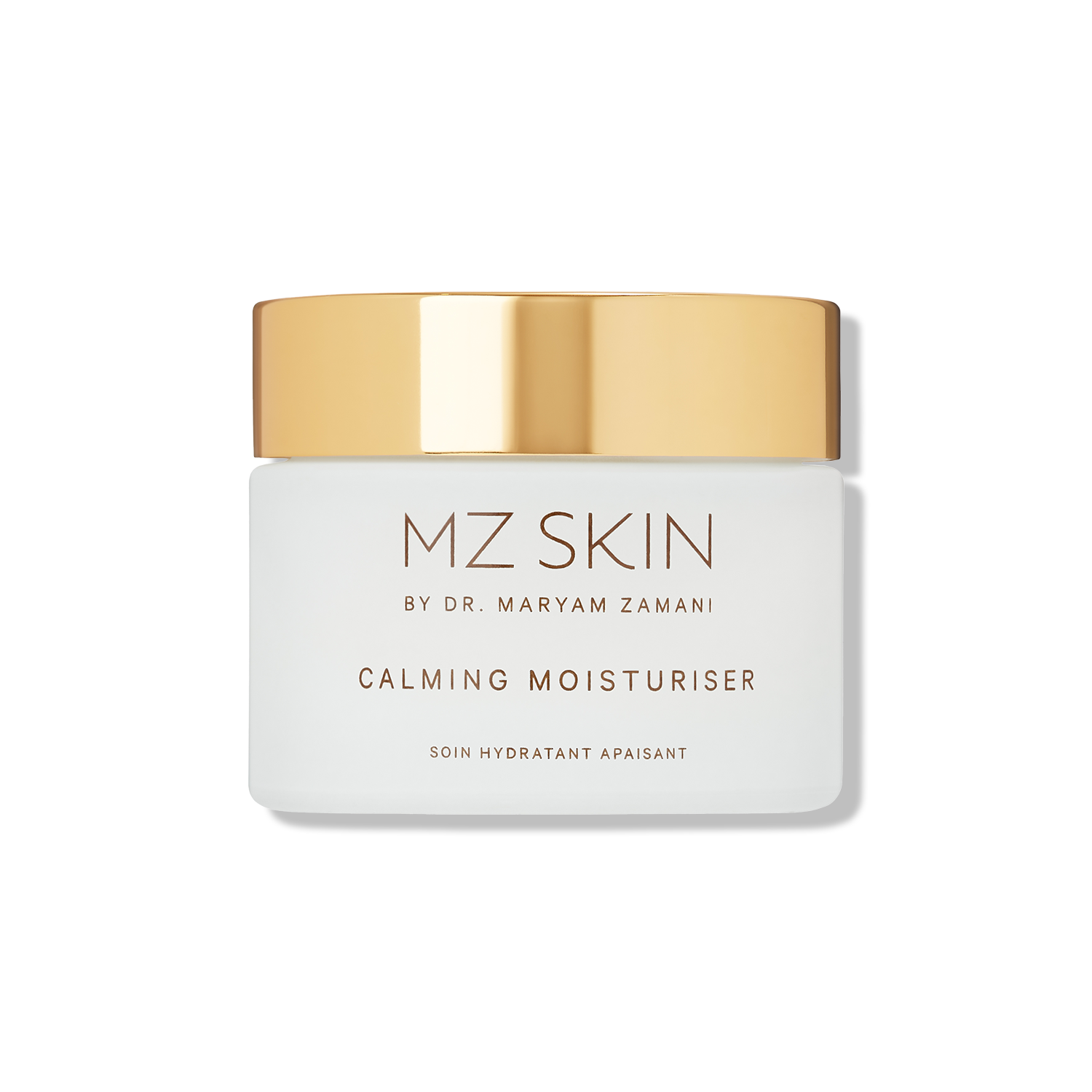
Cold air and indoor heating increase moisture loss, weakening the lipid barrier and lowering irritation thresholds. Moisturisers should prioritise ceramides, lipids and humectants to reduce water loss and protect nerve endings. The MZ SKIN Calming Moisturiser is formulated to strengthen and comfort compromised skin, restoring hydration while reinforcing the barrier. Its Advanced Moisture Complex forms a replenishing lipid shield to lock in hydration, while Red Sage Root and Centella Asiatica help calm irritation and reduce the appearance of redness. When the barrier is supported, skin becomes less reactive and better able to tolerate environmental change.
- Vascular calm
Temperature shifts trigger exaggerated blood vessel dilation in rosacea-prone skin, and certain ingredients reduce reactivity and support vascular stability help minimise flushing and persistent redness. The Calming Cream Cleanser gently removes impurities without disrupting the barrier, avoiding the stripping effect that can exacerbate vascular sensitivity. Sweet Almond Oil and Jojoba Oil replenish essential fatty acids and lock in moisture, reinforcing barrier resilience and minimising dryness-triggered irritation. Bisabolol helps calm visible redness and soothe sensitivity, while Vitamin E provides antioxidant protection against environmental stress that can aggravate rosacea.
- Inflammation control
MZ SKIN formulations are designed to calm inflammation and counteract oxidative stress without using aggressive actives that can compromise the skin barrier. Antioxidant-rich products help reduce redness and support skin comfort in rosacea-prone skin. Reviving Antioxidant Facial Oil helps because it replenishes essential lipids that are often depleted in winter, strengthening the skin barrier and reducing moisture loss. This improved barrier function makes the skin less reactive, helping to calm visible redness and discomfort caused by environmental stress. Calming Rescue Serum works by soothing irritation and supporting the skin’s natural recovery processes when sensitivity is heightened. By reducing inflammatory responses and reinforcing skin resilience, it helps prevent flare-ups and supports overall stability during colder months, when rosacea-prone skin is more vulnerable.
Together, the Calming Collection Discovery Set provides a streamlined winter routine designed to reinforce the barrier, reduce redness and support long-term stability in rosacea-prone skin. The key point to remember is that consistency matters more than complexity. Introducing multiple new products in winter often destabilises already reactive skin, so keep it simple.
Why does flushing happen so quickly in winter
One of the most unsettling aspects of winter rosacea is the speed of flushing. This rapid response is physiological, not psychological.
Cold constricts blood vessels. Heat causes rebound dilation. In rosacea, this dilation is exaggerated due to hypersensitive nerve signalling. Wind adds mechanical irritation, priming the skin for a stronger reaction once warmth is reintroduced. Understanding this predictable pattern can make flare-ups feel less alarming and easier to manage.
The hidden winter triggers, including heating, humidity and lifestyle
Indoor heating is one of the most underestimated triggers. It dries the air, accelerates moisture loss and worsens barrier dysfunction. Using a humidifier or keeping room temperatures slightly lower can significantly improve comfort.
Hot showers and very hot drinks can also provoke flushing by increasing blood flow to the face. Lukewarm water and allowing drinks to cool slightly are often better tolerated.
Dietary triggers vary, but alcohol, spicy foods and aged products tend to have a stronger effect when skin is already reactive. Moderation is usually more sustainable than strict avoidance.
When skincare is no longer enough
Winter is often the point at which rosacea reaches a level where skincare alone is no longer sufficient to maintain control. Persistent redness, inflammatory breakouts or frequent flushing can indicate that the underlying inflammatory and vascular pathways need targeted medical intervention.
While MZ SKIN focuses on advanced skincare formulated to support reactive skin, more persistent rosacea symptoms may benefit from in-clinic treatment under the care of Dr Maryam Zamani. In her medical practice, treatment may include prescription topical therapies to reduce inflammation and microbial triggers, and energy-based treatments such as IPL (Intense Pulsed Light) or LED Light Therapy laser to address chronic redness and visible blood vessels. These technologies work by targeting dilated vessels and reducing baseline redness, helping to improve overall skin tone and long-term stability.
Winter is an ideal time to begin treatment. Environmental triggers are more consistent, UV exposure is lower, and the skin often responds particularly well to a measured, clinical approach, allowing improvements to develop gradually and be well established by spring. When combined with trigger awareness, supportive skincare and professional treatment, rosacea can be managed far more effectively through the colder months.
The role of light and laser treatments in winter
Vascular laser and broadband light treatments play an important role in managing rosacea-related redness and visible vessels. Winter is an optimal season for these treatments due to reduced UV exposure.
By targeting haemoglobin within dilated vessels, these technologies help reduce baseline redness and improve vascular stability. While not a cure, laser treatment can make rosacea significantly more manageable and reduce the intensity of winter flare-ups when performed by experienced practitioners.
Why winter sun still matters
Low temperatures do not equal low UV exposure. UVA radiation penetrates clouds and glass and remains a major rosacea trigger year-round. Daily mineral sunscreen is essential, even in winter, to prevent ongoing vascular and inflammatory stimulation.
Final Thoughts
Winter amplifies every vulnerability in rosacea: the barrier weakens, blood vessels overreact, nerves become hypersensitive, and inflammation escalates. Yet rosacea is highly manageable with the right approach.
By prioritising barrier repair, vascular calm and inflammation control, and by choosing skincare formulated with reactive skin in mind, rosacea-prone skin can remain stable throughout winter. The aim is not to suppress symptoms temporarily, but to restore predictability, resilience and long-term comfort through one of the most challenging seasons for sensitive skin.
Shop the calming collection now.