





Ceramides Explained: What They Do for the Skin Barrier
When skin feels tight in October, it is rarely because it lacks water alone. More often, it has lost the ability to hold on to it. Colder air, central heating and hotter showers all draw moisture out of the skin. The structure of the skin that should retain the water is largely made up of ceramides.
Ceramides are not a new or fashionable ingredient. They are one of the most fundamental components of healthy skin, and among the best-supported ingredients for dry and sensitised skin.
What Are Ceramides?
Ceramides are lipids, or fats, that occur naturally in the outermost layer of the skin. They make up around half of the lipids found there. The rest is mainly cholesterol and free fatty acids.
The skin barrier is often compared to a brick wall. The skin cells are the bricks. Ceramides, cholesterol and fatty acids form the mortar between them. When that mortar is intact, the barrier keeps water in and irritants out.
There are more than a dozen types of ceramide in human skin, each with a slightly different structure. On an ingredient list, you will see them named with letters, such as ceramide NP, ceramide AP and ceramide EOP. Some labels still use older numbered names, so ceramide NP may appear as ceramide 3.
What Do Ceramides Do for the Skin?
Their main role is to limit water loss. When ceramide levels fall, gaps open in the barrier. Water evaporates more easily from the skin, and irritants penetrate more easily.
The effects are familiar. Skin feels tight after cleansing. It may flake, look dull or sting when you apply products that were previously comfortable. Redness and sensitivity become more frequent, which is why ceramides feature in our guide to calming reactive skin. For more on this connection, read redness and sensitivity: why your skin barrier is the root cause.
Topical ceramides help to replenish these lipids. Studies of ceramide-containing moisturisers show improvements in hydration and barrier function, particularly in dry and eczema-prone skin. Research also suggests that barrier repair is most effective when ceramides are combined with cholesterol and fatty acids, mirroring the skin's own balance.
Why Ceramide Levels Fall
Ceramide levels decline with age. By later life, the skin produces noticeably fewer of them, which partly explains why mature skin becomes drier.
The environment matters too. Low humidity in autumn and winter, central heating, long hot showers and foaming cleansers all deplete the barrier. So does over-exfoliation. Strong acids and retinoids used too often can strip the lipids that ceramides provide.
Some skin conditions are associated with lower ceramide levels. People with eczema, for example, tend to have fewer ceramides in their skin, which contributes to persistent dryness.
Ceramides for Dry Skin
Dry skin benefits most from ceramides. Because the problem lies in water loss rather than water supply, a moisturiser that restores barrier lipids will usually do more than one that only hydrates.
This is the thinking behind Restorative Bio-Placenta Cream. It combines ceramides with Bio-Placenta, Plantago Stem and Seaweed Complexes and our proprietary M5Rx complex. In clinical testing over three months, it improved skin hydration by 18.6% and elasticity by 15.7%.
The skin around the eyes needs particular attention, as Dr Zamani explains in our Soothe & Smooth spotlight. It is thinner than skin elsewhere on the face and has fewer oil glands, so it loses moisture quickly. Soothe & Smooth Hyaluronic Brightening Eye Complex is a firming eye cream with a tri-peptide, in which hyaluronic acid and ceramides restore moisture to plump and smooth fine lines around the eye.
Ceramides vs Hyaluronic Acid
The two are often confused, but they do different jobs. Hyaluronic acid is a humectant. It draws water into the upper layers of the skin. Ceramides reduce how quickly that water escapes.
They work best together. Apply a hyaluronic acid serum to damp skin, then seal it in with a ceramide-rich moisturiser. Without the second step, hydration from the first is lost more quickly, particularly in dry air.
Can Ceramides Be Used with Other Actives?
Yes. Ceramides are well tolerated by almost every skin type, including sensitive and acne-prone skin. They can be used morning and evening.
They are especially useful alongside retinoids and exfoliating acids. These actives can disrupt the barrier, and a ceramide moisturiser helps skin tolerate them. If you are starting a retinoid this autumn, a ceramide moisturiser is one of the most practical ways to reduce dryness and irritation.
If your barrier is already compromised, ceramides are part of the recovery, not the whole of it. Read how to repair the skin barrier for the full approach.
An Autumn Barrier Routine
Every MZ SKIN routine follows three steps: Reveal, Enhance and Protect.
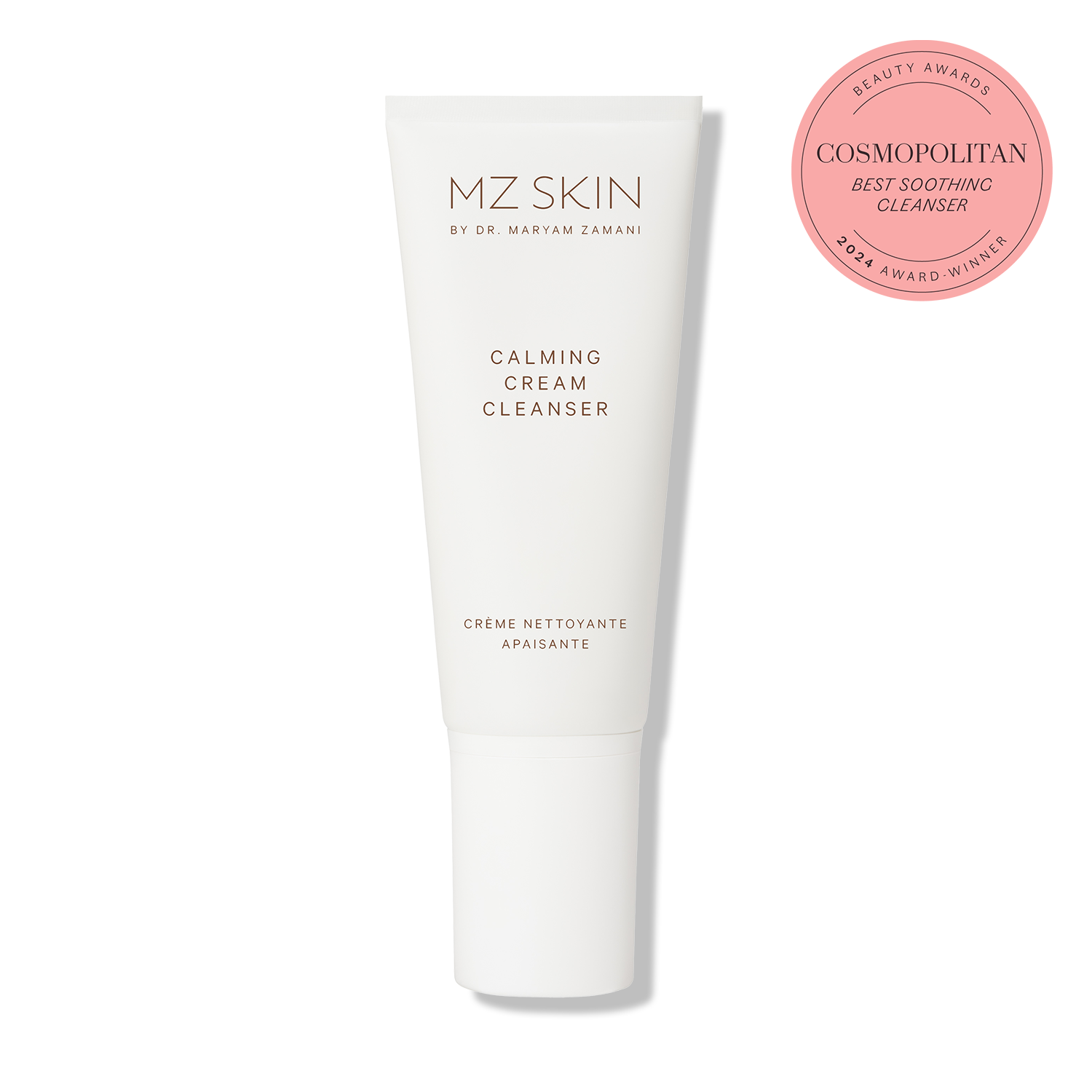
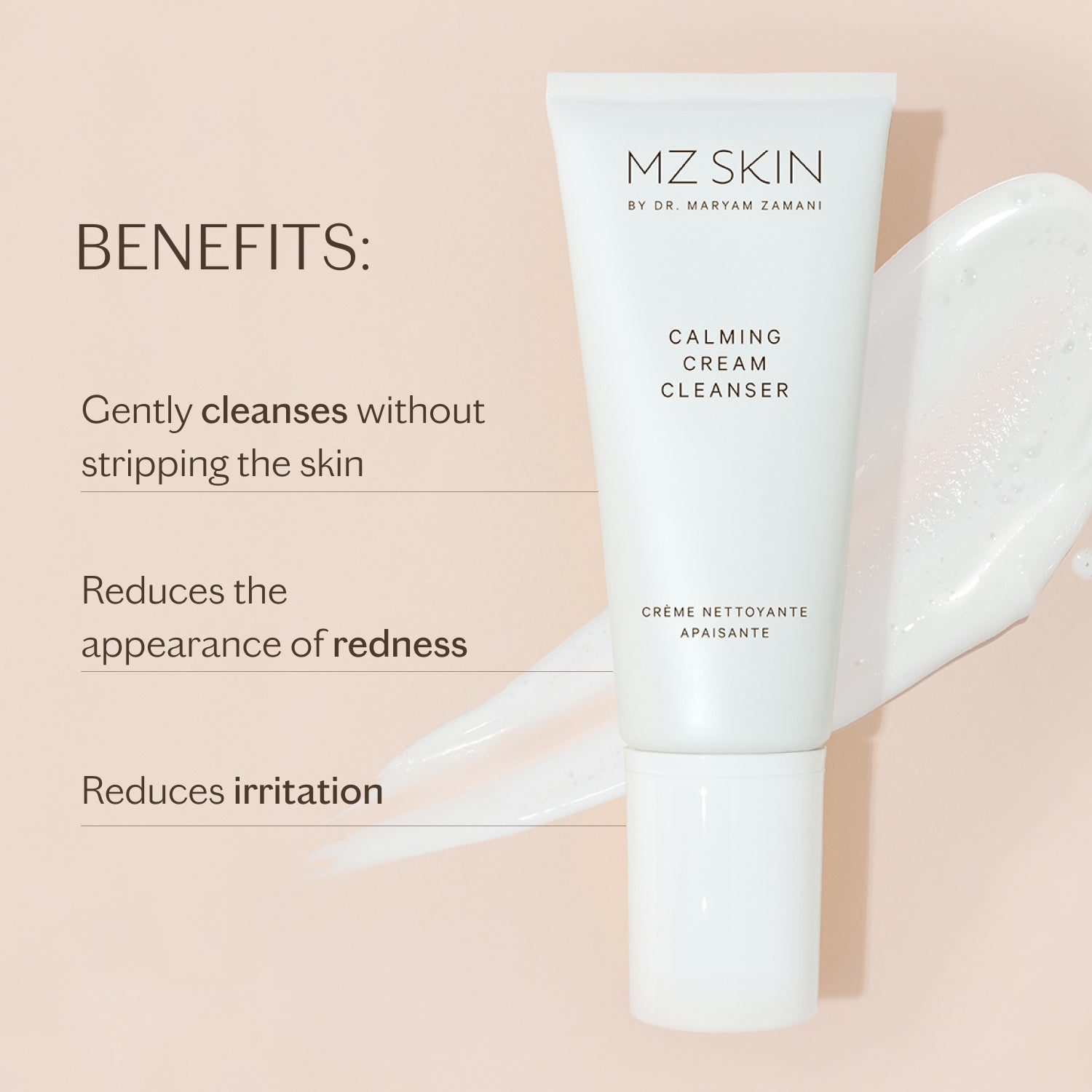
Reveal. Cleanse with The Calming Cream Cleanser, which replenishes moisture as it cleanses rather than stripping the skin.
Enhance. Apply Bio-Placenta Hyaluronic Acid Serum to damp skin, then Soothe & Smooth Hyaluronic Brightening Eye Complex around the eyes.
Protect. Seal in hydration with Restorative Bio-Placenta Cream. In the morning, follow with Expert UV Protector SPF50.
“Reinforcing the skin’s lipid barrier is the final step in every routine I recommend. Hyaluronic acid draws water into the skin, and ceramides keep it there. Without that second step, even the best serum is working against itself,” says Dr Maryam Zamani.
Frequently Asked Questions
What do ceramides do for your skin?
Ceramides form part of the lipid layer that holds skin cells together. They limit water loss and help keep irritants out, which keeps skin hydrated, comfortable and resilient.
Are ceramides good for dry skin?
Yes. Dry skin often has a weakened barrier, and topical ceramides help restore the lipids it is missing.
Can I use ceramides with retinol?
Yes. Ceramides help skin tolerate retinol by supporting the barrier, which reduces dryness and irritation.
Should I use ceramides or hyaluronic acid?
Use both. Hyaluronic acid draws water into the skin, and ceramides help keep it there.
How long do ceramides take to work?
Skin often feels more comfortable within days. Measurable improvements in barrier function and hydration usually build over several weeks of consistent use.
In Summary
- Ceramides make up around half of the lipids in the skin's outer layer.
- They limit water loss and help keep irritants out.
- Levels fall with age, dry air, harsh cleansing and over-exfoliation.
- Dry, mature and sensitised skin benefit most.
- Pair ceramides with hyaluronic acid: one draws water in, the other keeps it there.
- Ceramides help skin tolerate retinoids and exfoliating acids.