






Collagen Loss After Menopause: What Skincare Can and Cannot Do
Patients often tell Dr Zamani their skin changed almost overnight. In a sense, they are right. In the first five years after menopause, the skin loses around 30% of its collagen. After that, the decline continues at roughly 2% a year.
That loss explains much of what women notice: skin that looks thinner, feels drier and no longer springs back the way it did. It also explains why so many products promise to restore collagen. Some can genuinely help. None can replace what has gone. Knowing the difference saves time, money and disappointment.
This article focuses on collagen specifically. For a broader look at how menopause affects the skin, read our menopause skincare guide and menopause and your skin.
Why Collagen Declines After Menopause
Collagen is the main structural protein in the dermis. It gives skin its thickness and firmness. It is produced by cells called fibroblasts, and those cells respond to oestrogen.
When oestrogen falls, fibroblasts produce less collagen. The skin also makes less hyaluronic acid and fewer barrier lipids, so it holds less water. The result is skin that is thinner, drier and less elastic.
Collagen is not the only change. Over the same period, facial fat pads shrink and the underlying bone gradually resorbs. Together, these changes reduce the support beneath the skin. This is why sagging after menopause is not solely a skin problem, and why it cannot be solved by skincare alone.
How Collagen Loss Shows on the Skin
The earliest sign is often texture. Skin looks crepey, particularly on the neck, the décolletage and beneath the eyes. Fine lines become more visible because the skin is thinner and holds less water.
Over time, skin loses its recoil. Pinch the back of the hand and it returns more slowly. On the face, the jawline softens and the lower face begins to look heavier. Skin may also bruise and tear more easily, and take longer to heal.
What Skincare Can Do
Topical skincare cannot restore oestrogen. It can, however, support the processes that remain, protect the collagen you still have and improve how skin looks and feels day to day.
Encourage collagen production
Retinoids have the strongest evidence for stimulating collagen in ageing skin. Peptides act as signalling molecules that encourage fibroblast activity, and vitamin C is essential to the process by which the body builds collagen. Used consistently, these ingredients produce gradual, measurable change over months.
Restore hydration
Post-menopausal skin is drier because it holds less water and loses more of it. Hyaluronic acid draws water into the upper layers of the skin, which visibly plumps fine lines. Ceramides help seal it in by strengthening the barrier.
This is the thinking behind Restorative Bio-Placenta Cream, formulated with Bio-Placenta, Plantago Stem and Seaweed Complexes, ceramides and our proprietary M5Rx complex. In clinical testing over three months, it reduced fine lines by 22%, improved hydration by 18.6%, elasticity by 15.7% and skin density by 14.3%. Density is a particularly relevant measure after menopause, because it reflects the thinning that collagen loss causes.
Beneath it, Bio-Placenta Hyaluronic Acid Serum combines hyaluronic acid with Bio-Placenta and our proprietary M5Rx complex. Its Hyaluronic Acid 4D Complex uses four types of hyaluronic acid, each targeting a different layer of the skin. The vegan bio-engineered placenta is enriched with five growth factors to support the extracellular matrix, the structure in which collagen sits.
Protect what remains
UV exposure breaks down collagen at any age. After menopause, when production has slowed, protecting existing collagen matters even more. Daily SPF is the single most effective step in slowing further loss.
What Skincare Cannot Do
No cream or serum can replace lost bone or fat volume. Skincare cannot lift significant sagging along the jawline, and it cannot reverse hormonal change. Any product that claims to do so is overstating what topical ingredients can achieve.
For some women, hormone replacement therapy is part of the picture. There is evidence that it can help maintain skin thickness and collagen, although it is not prescribed for the skin alone. That is a conversation to have with your GP or menopause specialist.
Where laxity is the main concern, in-clinic treatments that stimulate collagen in the deeper dermis go further than skincare can. In clinic, Dr Zamani uses Ultherapy, an ultrasound treatment that lifts and tightens the skin along the jawline, alongside radiofrequency microneedling, collagen-stimulating laser treatments and injectables, often in combination. For aftercare following treatment, read what to put on your skin after a laser treatment.
The most effective approach combines all three: a consistent routine at home, medical support where appropriate and targeted treatment in clinic.
A Routine for Collagen Support After Menopause
Every MZ SKIN routine follows three steps: Reveal, Enhance and Protect.
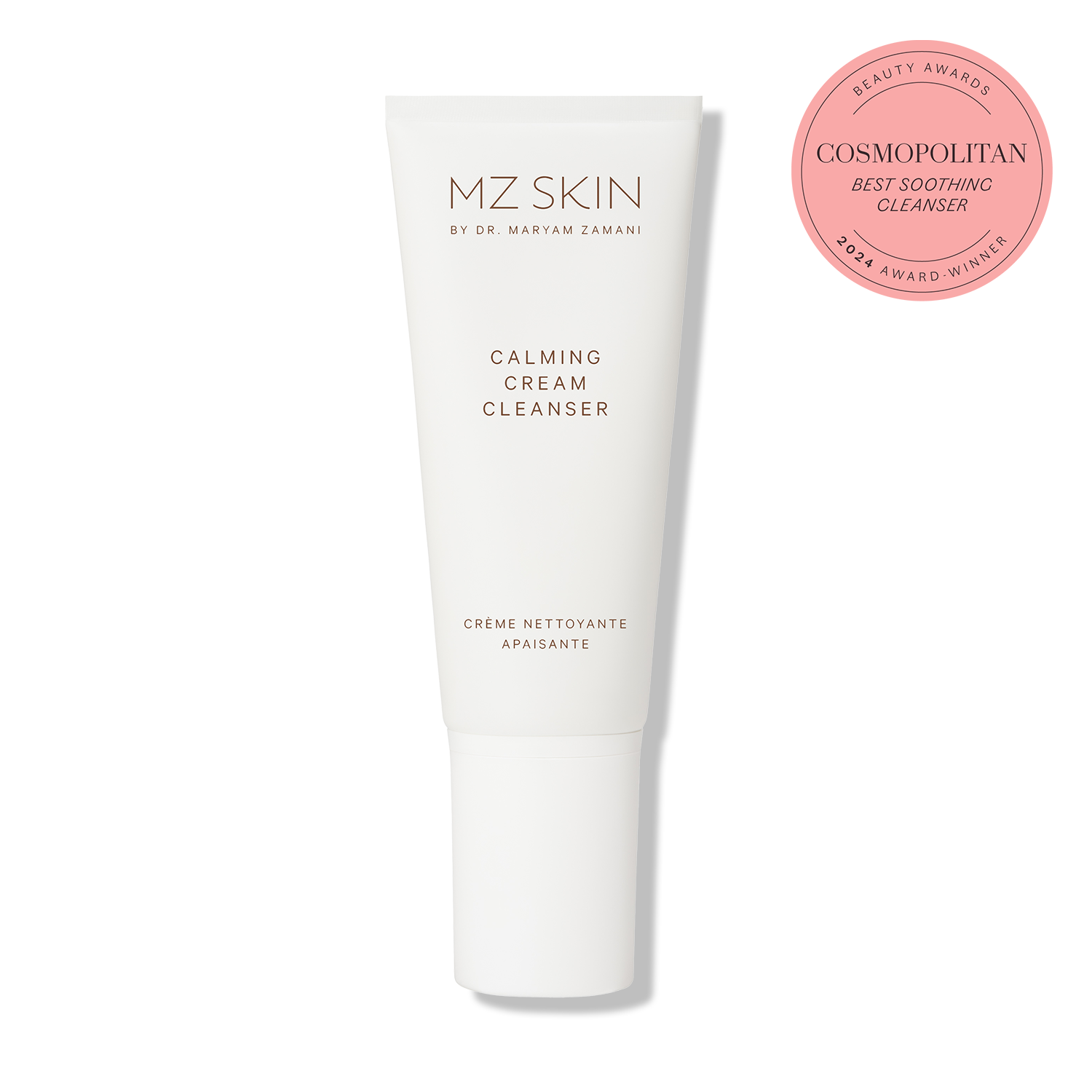
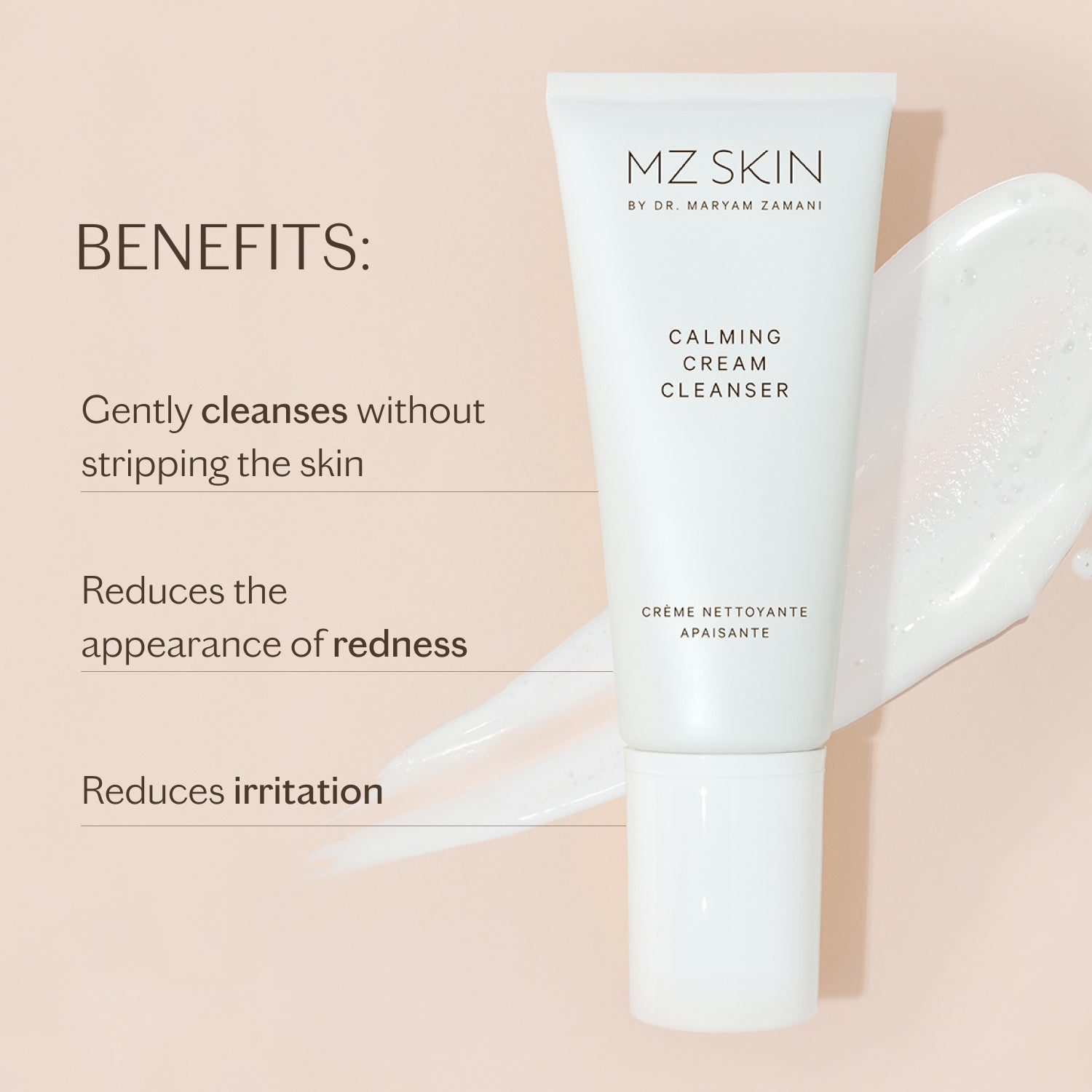
Reveal. Cleanse with a gentle, non-stripping formula such as The Calming Cream Cleanser, which replenishes moisture as it cleanses. Avoid foaming cleansers that leave skin feeling tight.
Enhance. Apply Bio-Placenta Hyaluronic Acid Serum morning and evening to damp skin.
Protect. Seal in hydration with Restorative Bio-Placenta Cream, applied to the face, neck and décolletage. In the morning, follow with Expert UV Protector SPF50.
If you are reading this before menopause, the best time to protect your collagen is now. Read about collagen banking for how to build reserves in your thirties and forties. You can explore the full range for this stage of life in our menopausal skincare collection.
“After menopause, the skin slows down. It produces less oil and less collagen, and it renews itself more slowly. No cream can reverse that. What the right routine can do is help the skin hold on to moisture and protect the collagen that remains, and that makes a visible difference,” says Dr Maryam Zamani.
Frequently Asked Questions
How much collagen do you lose after menopause?
Around 30% in the first five years after menopause, followed by a slower decline of roughly 2% a year.
Can you rebuild collagen after menopause?
You can stimulate some new collagen production with retinoids, peptides, vitamin C and in-clinic treatments. You cannot fully restore pre-menopausal levels.
Do collagen supplements work for menopausal skin?
Some studies show modest improvements in hydration and elasticity, but the evidence is mixed and many studies are small. Supplements are not a substitute for topical care and sun protection.
Why does skin sag after menopause?
Sagging results from collagen loss combined with shrinking fat pads and changes in facial bone. Skincare can improve skin quality, but it cannot address the loss of deeper support.
How long does it take to see results from skincare for collagen?
Collagen is produced slowly. Allow at least three months of consistent use before judging results.
In Summary
- Skin loses around 30% of its collagen in the first five years after menopause.
- Falling oestrogen reduces collagen, hyaluronic acid and barrier lipids.
- Skincare can encourage collagen, restore hydration and protect what remains.
- Skincare cannot replace lost fat or bone, or lift significant sagging.
- Daily SPF is the most effective way to slow further loss.
- Speak to your GP about hormonal support, and to a specialist about in-clinic options.