




Under-Eye Bags: Fluid, Fat or Laxity, and What Eye Cream Can Fix
Tired-looking eyes are one of the most common concerns Dr Maryam Zamani hears in clinic. Often, the word patients use is “bags”. But that one word describes three quite different problems, and only one of them responds well to an eye cream.
Under-eye bags are caused by fluid, fat or laxity, or a combination of the three. Fluid comes and goes. Fat stays. Laxity develops slowly over years. Knowing which you have is the difference between a product that works and months of disappointment.
As an oculoplastic surgeon, Dr Zamani specialises in the eyelids and the structures around the eye. This is how she explains the difference.
The Three Causes of Under-Eye Bags
Fluid
Fluid is the most common cause of puffiness, and the most temporary. When you lie flat overnight, fluid collects in the loose tissue beneath the lower eyelid. That is why puffiness is usually worst on waking and settles as the day goes on.
Salt, alcohol, poor sleep, crying, hormonal changes and allergies all make it worse. Fluid-related puffiness tends to look soft and swollen rather than defined, and it often affects both lids evenly.
Fat
The eye sits in a cushion of fat, held in place by a thin membrane called the orbital septum. With age, that membrane weakens and the fat begins to push forward beneath the lower lid. This is sometimes called fat prolapse.
Fat-related bags look like a defined bulge, often with a shadow or groove beneath. They are present from morning to night and do not change much from day to day. They are frequently inherited, which is why some people notice them in their twenties or thirties.
Laxity
The skin and muscle of the lower eyelid lose collagen and elasticity over time. The skin becomes thinner and crepey, and the tissues sag slightly, creating folds rather than a single bulge. Laxity often appears alongside fat-related bags and makes them more noticeable.
| Cause | What it looks like | Changes during the day? | What helps |
|---|---|---|---|
| Fluid | Soft, even swelling | Yes, worst in the morning | Eye cream, sleep, salt and alcohol reduction, cold compress |
| Fat | Defined bulge, often with a groove beneath | No | In-clinic treatment, including surgery |
| Laxity | Crepey folds, loose skin | No | Eye cream for texture; in-clinic treatment for tightening |
How to Tell Which Type You Have
A few simple observations will point you in the right direction.
Look in the mirror in the morning and again in the evening. If the swelling is much better by the end of the day, fluid is the likely cause.
Next, keep your head still and look upwards. Fat-related bags become more prominent when you raise your gaze, because the fat is pushed forward.
Finally, gently pinch the skin beneath the eye. If it is thin and slow to return to place, laxity is part of the picture.
Most people over forty have some combination of the three. If you are unsure, a consultation with an oculoplastic surgeon will give you a clear answer.
How to Get Rid of Puffy Eyes
Fluid-related puffiness responds well to everyday changes. Sleep with your head slightly raised. Reduce salt and alcohol, particularly in the evening. Treat hay fever or other allergies, which are a common and often overlooked cause. A cold compress in the morning helps to constrict blood vessels and reduce swelling.
This is also where eye cream earns its place. Caffeine helps reduce fluid-related puffiness, peptides support firmness, and a cooling applicator encourages fluid to drain. For more on these ingredients, read how caffeine helps with puffy eyes and eye puffiness versus dark circles.
Depuff & Define Contouring Eye Rescue. A high-potency caffeine and peptide complex helps reduce puffiness, while pigmentation-correcting actives soften the shadows that often sit alongside it.
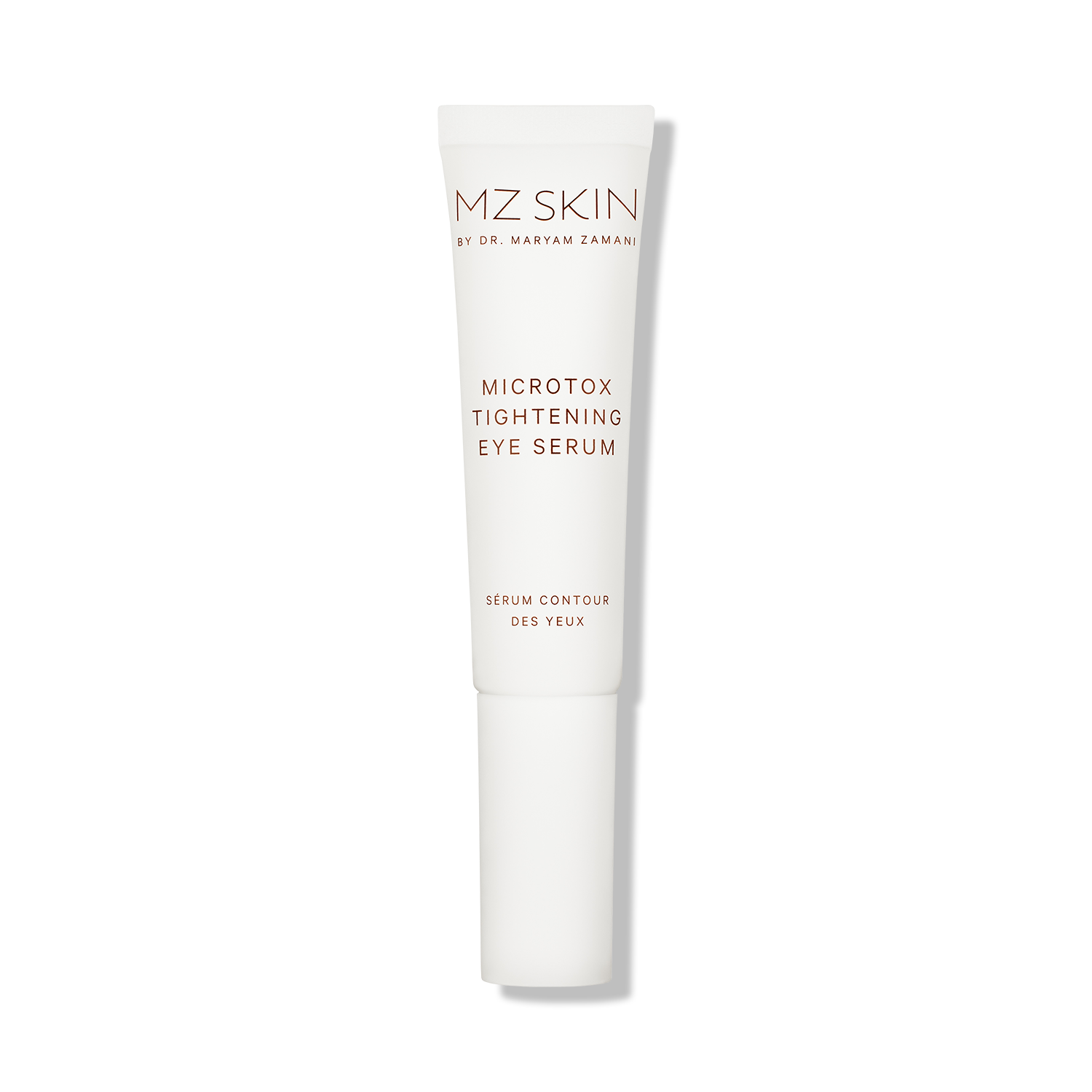
Microtox Tightening Eye Serum. Acetyl Tetrapeptide-5 and a Sichuan pepper-derived ingredient help drain excess fluid and lift the under-eye, applied with a cooling metal roller that massages as it absorbs. In dermatological assessment, the appearance of eye bags improved by 22.7% after one month.
What Eye Cream Can and Cannot Fix
Eye cream can make a visible difference to fluid-related puffiness. It can also improve the texture of lax, crepey skin, which makes the area look smoother and less tired.
What it cannot do is move fat. A bag caused by fat pushing forward beneath the lid is a structural change, and no topical product can reverse it. The same is true of hollows caused by volume loss. It is worth being clear about this, so that you do not spend months using the wrong product for a problem it was never designed to treat. For the full picture, read our eye cream guide.
In-Clinic Treatment for Under-Eye Bags
When bags are caused by fat, the most effective treatment is lower blepharoplasty, or eyelid surgery. In many cases, the fat is repositioned or removed through a small incision on the inside of the lower lid, leaving no visible scar. Where laxity is also present, the skin can be tightened at the same time.
For some patients, carefully placed filler in the groove beneath the bag can soften the transition between lid and cheek. Filler is not suitable for everyone. In skin that is prone to fluid retention, it can make puffiness worse, which is why assessment by an experienced specialist matters.
Dr Zamani assesses and treats under-eye bags at her clinic. To book a consultation, visit Dr Maryam Zamani's clinic.
When to See a Doctor
Most under-eye bags are a normal part of ageing. However, see your GP if swelling appears suddenly, affects one eye only, is painful, red or itchy, or comes with changes to your vision. Persistent puffiness can occasionally be linked to thyroid, kidney or allergic conditions that need medical attention.
A Routine for Puffy Eyes
Every MZ SKIN routine follows three steps: Reveal, Enhance and Protect.
Reveal
The Calming Cream Cleanser. Cleanse gently, without rubbing. Friction around the eyes adds to irritation and swelling.
Enhance
Depuff & Define Contouring Eye Rescue. Each morning, tap it along the orbital bone from the inner to the outer corner to reduce overnight puffiness.
Soothe & Smooth Hyaluronic Brightening Eye Complex. In the evening, use this to hydrate and firm thin, crepey skin. Its tri-peptide, hyaluronic acid and ceramides restore moisture to plump and smooth fine lines.
Protect
Expert UV Protector SPF50. UV exposure breaks down the collagen that keeps the lower lid firm. Apply SPF up to the orbital bone each morning, and wear sunglasses to reduce squinting.
“Many patients describe their eyes as tired, but the cause varies. Puffiness that comes and goes is usually fluid, and that responds well to the right eye cream. A bag that is there from morning to night is often fat, and no cream can treat that,” says Dr Maryam Zamani.
Explore our edit for puffiness and dark circles.
Everything You Need to Know
What causes bags under the eyes?
Fluid, fat or laxity, or a combination. Fluid causes temporary puffiness. Fat pushing forward beneath the lid causes a permanent bulge. Laxity causes loose, crepey folds.
Why do I have under-eye bags in my twenties?
Fat-related bags are often inherited and can appear early. Fluid retention from sleep, salt, alcohol or allergies is another common cause at any age.
Can eye cream get rid of under-eye bags?
Eye cream can reduce puffiness caused by fluid and improve the texture of lax skin. It cannot treat bags caused by fat, which need in-clinic treatment.
Can under-eye bags go away on their own?
Fluid-related puffiness usually settles during the day and improves with lifestyle changes. Fat-related bags do not go away without treatment.
Does lack of sleep cause bags under the eyes?
Poor sleep makes fluid-related puffiness and dark circles more noticeable, but it does not cause fat-related bags.
Can filler fix under-eye bags?
Filler can soften the groove beneath a bag in some patients. It does not remove fat, and it can worsen puffiness in skin prone to fluid retention, so specialist assessment is essential.
In Summary
- Under-eye bags are caused by fluid, fat or laxity, often in combination.
- Fluid-related puffiness is worst in the morning and responds well to eye cream.
- Fat-related bags are present all day and need in-clinic treatment.
- Look upwards in the mirror: fat-related bags become more prominent.
- Caffeine, peptides and cooling application help reduce puffiness.
- See your GP if swelling is sudden, one-sided or painful.