





Crepey Under-Eye Skin: Causes and What Helps
Crepey under-eye skin is thin, finely creased skin with a texture like crepe paper. It is caused by the natural thinness of the skin around the eyes, combined with collagen loss, sun exposure and dehydration. The right skincare can improve its hydration and smoothness. Loose, excess skin needs in-clinic treatment.
The skin of the eyelids is among the thinnest on the body. It has fewer oil glands than the rest of the face and moves thousands of times a day. That is why it is often the first place texture changes appear, sometimes years before lines form elsewhere.
As an oculoplastic surgeon, Dr Maryam Zamani specialises in the eyelids and the structures around the eye. This is how she explains crepey skin, and what can and cannot improve it.
What Crepey Under-Eye Skin Looks Like
Crepey skin looks finely crinkled across a wide area, rather than marked by one or two distinct lines. It often becomes more visible when you smile, look up or apply concealer, and it can feel soft and loose when gently pinched.
It is easy to confuse with other eye concerns. Each has a different cause, and each responds to different treatment.
| Concern | What it looks like | Main cause | What helps |
|---|---|---|---|
| Crepey skin | Fine, crinkled texture across the lower lid | Thin skin, collagen loss, dehydration, sun damage | Hydration, peptides, daily SPF; in-clinic resurfacing for advanced texture |
| Fine lines and crow's feet | Individual lines, often at the outer corner | Repeated movement and collagen loss | Eye serum or cream, SPF; in-clinic treatment for deeper lines |
| Under-eye bags | A swelling or defined bulge | Fluid, fat or laxity | Depends on the cause |
If swelling rather than texture is your main concern, read under-eye bags: fluid, fat or laxity.
What Causes Crepey Skin Under the Eyes
Naturally thin skin
The lower eyelid has very little fat or structural support beneath it. Any change in collagen, hydration or volume shows here first.
Collagen and elastin loss
From our mid-twenties, the skin gradually produces less collagen and elastin. These proteins keep skin firm and help it spring back. As they decline, the thin skin of the lower lid loses its smooth surface and begins to fold.
Sun exposure
UV exposure is the main external cause of premature skin ageing. It breaks down collagen and elastin, and the eye area is often missed when applying sunscreen. Squinting in bright light adds repeated movement to already damaged skin.
Dehydration and a weakened barrier
Dry skin looks more crepey than hydrated skin. Cold weather, central heating, harsh cleansers and too little moisture all exaggerate the texture. This part of the problem is temporary and responds quickly to the right care.
Rubbing and friction
Rubbing tired or itchy eyes, removing make-up with force and dragging products across the lid all stress the skin. Over time, this contributes to laxity.
Weight loss, smoking and genetics
Rapid weight loss reduces the volume beneath the skin, which can leave it looking loose. Smoking reduces blood flow and accelerates collagen breakdown. Some people also inherit thinner skin, and notice crepiness earlier as a result.
Is It Dehydration or Ageing?
A simple test helps. Apply a hydrating eye cream and look again after 30 minutes. If the texture improves noticeably, dehydration is a large part of the picture, and consistent hydration will make a visible difference.
If the crepiness remains, and the skin feels loose when gently pinched, collagen loss and laxity are involved. Skincare can still improve texture, but expectations should be realistic.
What Helps Crepey Under-Eye Skin
The aim is to restore hydration, support the skin's structure and protect it from further damage.
Hydrators. Hyaluronic acid draws water into the skin and plumps the surface, which softens the crepe-like texture. Ceramides and glycerin help the skin hold on to that moisture.
Peptides. Peptides support the proteins that keep skin firm and elastic. They are well suited to the eye area because they are gentle.
Retinol alternatives. Vitamin A derivatives have strong evidence for improving the texture of sun-damaged skin, but they can irritate the thin skin of the lids. Bakuchiol is a plant-derived alternative to retinol that is gentler around the eyes.
Daily protection. SPF and sunglasses prevent further collagen breakdown. Without them, any improvement from skincare is slowly undone.
Intensive Bio-Placenta Eye Cream. Formulated with Bio-Placenta, bakuchiol, a firming peptide complex, 4D hyaluronic acid and niacinamide. In an independent clinical test on 30 women using it twice daily, hydration improved by 25.6%, upper eyelid smoothness by 41% and fine lines reduced by 14.3% after one month.
Soothe & Smooth Hyaluronic Brightening Eye Complex. A tri-peptide complex, vitamin C, hyaluronic acid and ceramides hydrate and smooth the skin while brightening the under-eye area. In an independent clinical test on 30 women, wrinkle depth reduced by 9.5% and skin smoothness improved by 7.3% after one month.
For a full guide to ingredients and application, read our eye cream guide.
What Eye Cream Cannot Do
Eye cream can improve hydration, smoothness and the appearance of fine lines. It cannot remove excess skin, and it cannot tighten significant laxity. Where the skin has stretched and folds over itself, the change is structural, and in-clinic treatment is the only effective option.
In-Clinic Treatment for Crepey Under-Eye Skin
Several treatments stimulate new collagen and tighten the skin. Fractional laser resurfacing improves texture by creating controlled micro-injuries that trigger repair. Radiofrequency microneedling heats the deeper layers of the skin to encourage collagen production. Injectable skin boosters improve hydration from within.
Where there is excess skin, blepharoplasty, or eyelid surgery, removes it and tightens the lid. The right option depends on skin type, the degree of laxity and how much downtime is acceptable, which is why assessment by an experienced specialist matters.
Dr Zamani assesses and treats the eye area at her clinic. To book a consultation, visit Dr Maryam Zamani's clinic.
A Routine for Crepey Under-Eye Skin
Every MZ SKIN routine follows three steps: Reveal, Enhance and Protect.
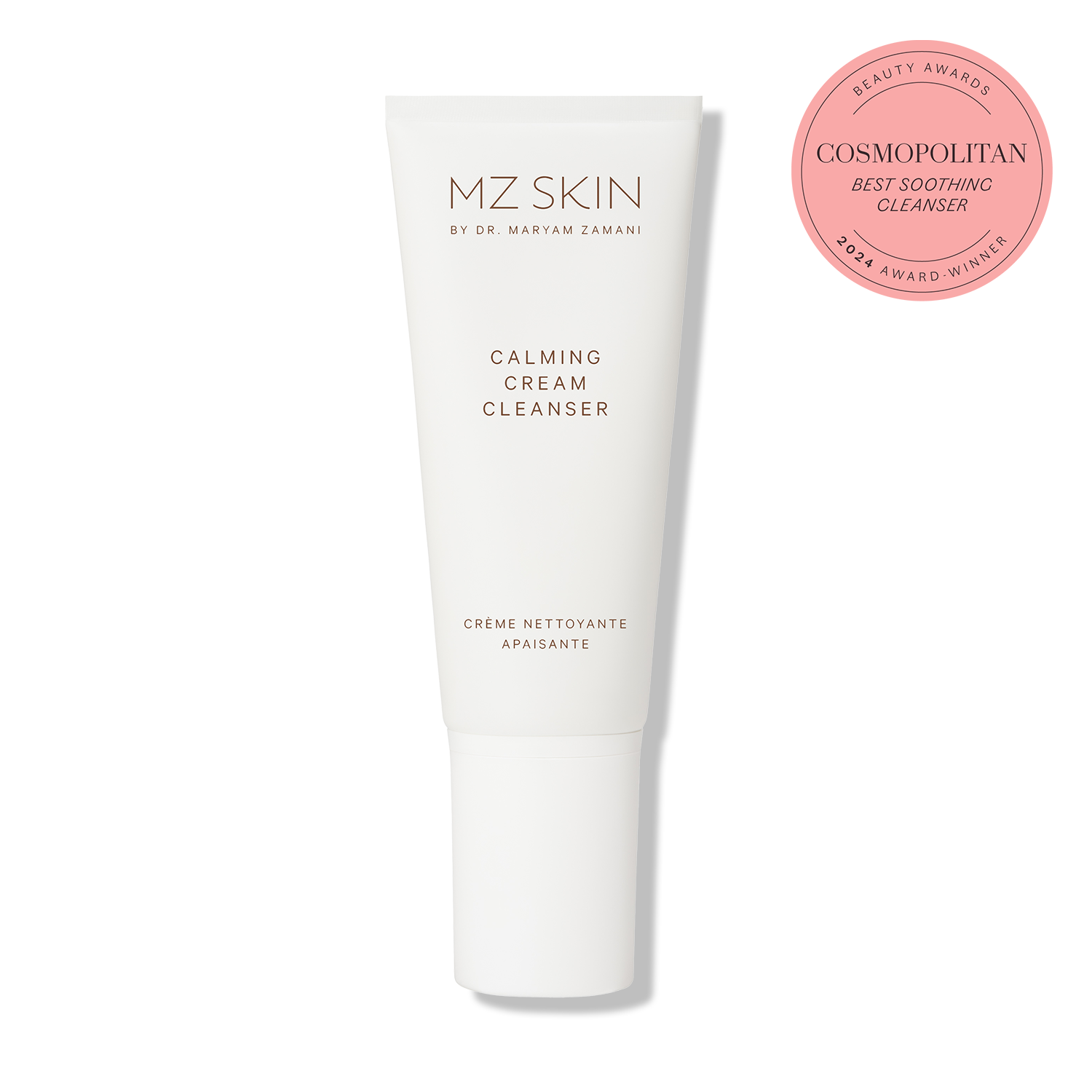
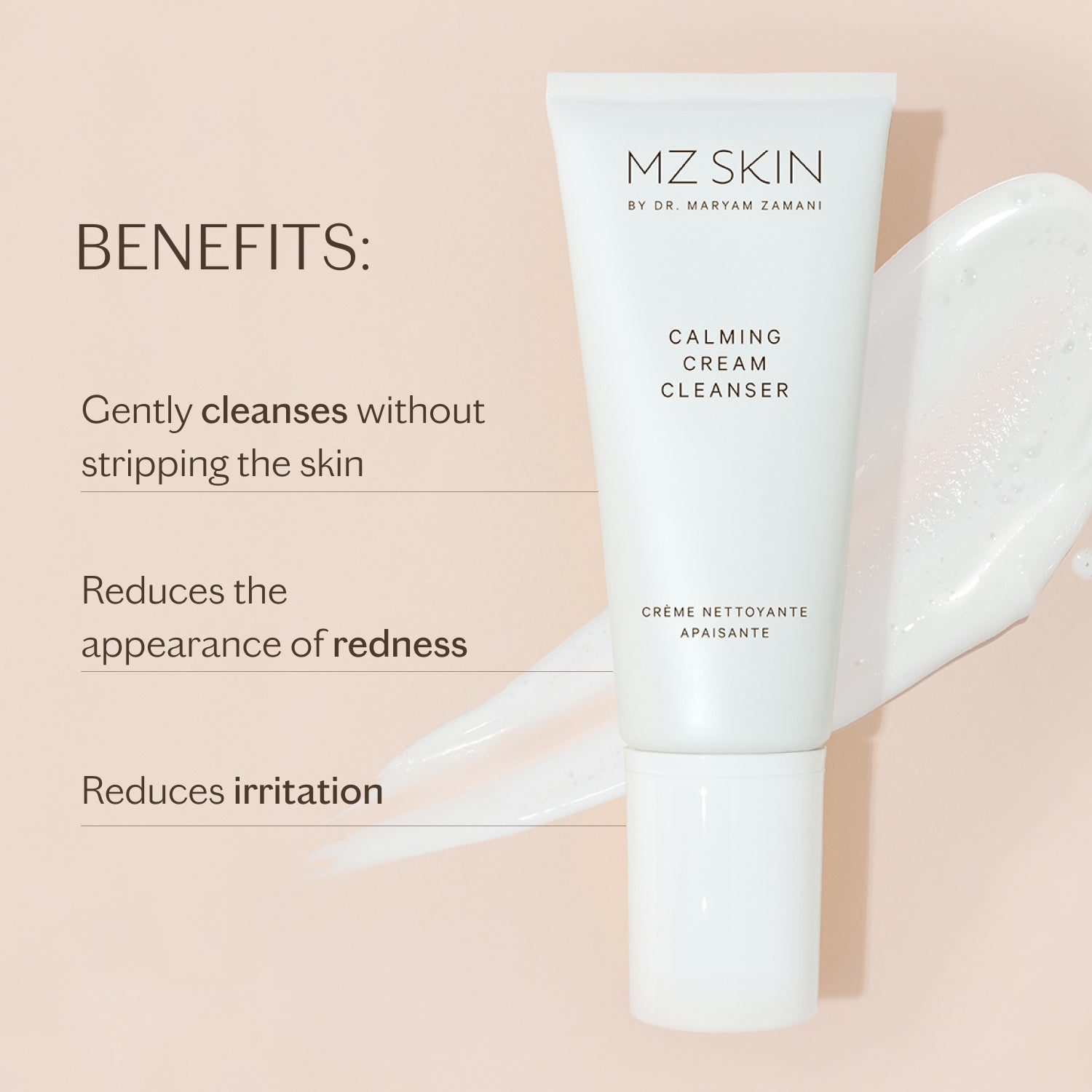
Reveal. The Calming Cream Cleanser removes make-up and impurities without stripping the skin. Press it over the eyes rather than rubbing.
Enhance. In the morning, pat Soothe & Smooth Hyaluronic Brightening Eye Complex under the eyes with your ring finger. In the evening, apply Intensive Bio-Placenta Eye Cream under the eyes and onto the upper eyelid, without dragging the skin.
Protect. Finish each morning with Expert UV Protector SPF50, applied up to the orbital bone. Wear sunglasses in bright light to reduce squinting.
Explore our edit for fine lines and wrinkles.
Everything You Need to Know
What causes crepey skin under the eyes?
Thin skin, collagen and elastin loss, sun exposure and dehydration, often in combination. Rubbing, smoking, rapid weight loss and genetics can also contribute.
Can crepey under-eye skin be reversed?
Hydration-related crepiness improves quickly with the right care. Texture caused by collagen loss can be improved with consistent skincare and in-clinic treatment. Excess skin needs surgery.
At what age does crepey under-eye skin start?
It often appears from the thirties onwards, but it can start earlier in people with thin skin, significant sun exposure or a history of smoking.
Is crepey under-eye skin caused by dehydration?
Dehydration makes it look worse, but it is rarely the only cause. If the texture improves after applying a hydrating eye cream, dehydration is playing a large part.
What is the best ingredient for crepey skin under the eyes?
No single ingredient treats it. Hyaluronic acid and ceramides restore hydration, peptides support firmness, bakuchiol or retinoids improve texture, and SPF prevents further damage.
Can I use retinol under my eyes?
Retinol can irritate the thin skin around the eyes. Start slowly with a formula designed for the eye area, or choose bakuchiol as a gentler alternative.
In Summary
- Crepey under-eye skin is thin, finely creased skin with a texture like crepe paper.
- It is caused by thin skin, collagen loss, sun exposure and dehydration.
- Apply a hydrating eye cream and check after 30 minutes to see how much is dehydration.
- Hyaluronic acid, ceramides, peptides and bakuchiol improve hydration and smoothness.
- Daily SPF and sunglasses prevent further damage.
- Excess skin and significant laxity need in-clinic treatment.